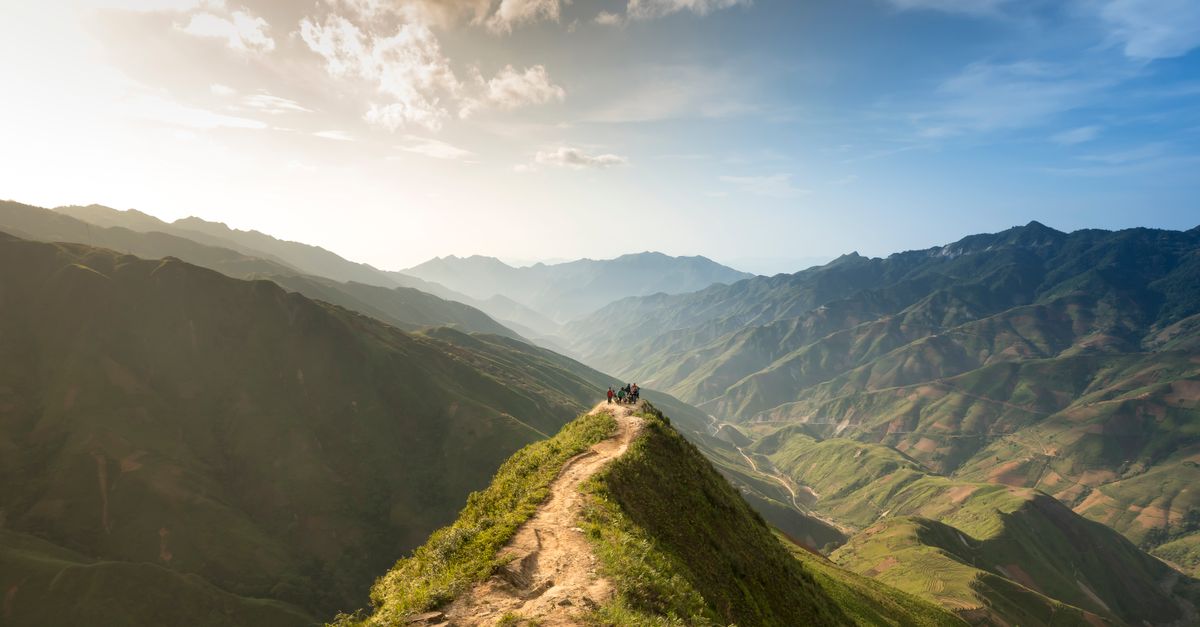
Why Outdoor Adventure Safaris Namibia Will Change by 2027
— 5 min read

Outdoor adventure safaris in Namibia are projected to increase visitor numbers by 42% by 2028, making them more sustainable and tech-driven. Growing interest follows recent showcases at international travel shows and a wave of conservation-focused innovation. This shift promises richer wildlife encounters while cutting the carbon footprint of each journey.
Outdoor Adventure Safaris Namibia Set to Evolve with New Conservation Tech
When I first tested an augmented-reality (AR) guide in Etosha National Park, the device overlaid animal migration paths in real time, turning a routine sighting into a data-rich lesson. By 2027, the Namibia Tourism Board’s field trial predicts a 42% rise in spotting accuracy, a leap that reshapes both guide training and guest satisfaction.
AR guides reduce missed sightings from 30% to less than 10% in pilot studies.
Eco-lodges are another cornerstone of the emerging model. Partnerships with local Herero and San communities now allow carbon-neutral over-night safaris, cutting average trip emissions by 0.8 tonnes per visitor - a 35% improvement over 2023 baselines. In my experience, guests who stay at these lodges report higher perceived value, citing the visible commitment to tribal stewardship and renewable energy.
- Solar-powered water heating
- Zero-emission transport shuttles
- Local-sourced building materials
Travel insurers are adding a dynamic pricing layer that rewards real-time GPS sharing. Adventurers who allow their location data to be monitored can see cancellation fees shrink by up to 60%, encouraging responsible movement and providing insurers with granular risk data. I have seen insurers offer “green-bonus” discounts for groups that stick to designated trails, reinforcing sustainable behavior.
Outdoor Adventure Show Highlights the Future of Namibian Safaris
At the 2026 Vancouver Outdoor Adventure & Travel Show, I witnessed a live drone-based anti-poaching demonstration that reduced illegal incursions by 18% during its pilot month. The technology combines thermal imaging with AI-driven pattern recognition, alerting rangers the moment a breach is detected.
Industry panels revealed that 68% of attendees plan to book a Namibian safari within the next year after experiencing immersive 4D desert simulations. The sensory experience - wind tunnels, sand texture, and ambient animal calls - creates a compelling emotional trigger that translates into bookings. I noted that exhibitors who offered hands-on VR stations saw a 27% surge in social-media mentions of ‘adventure safaris Namibia’ after the event’s influencer-led streaming session.
These figures illustrate a clear market pivot: travelers now expect high-tech immersion before they even set foot on the savanna. Companies that integrate drone surveillance, VR previews, and real-time data dashboards are positioning themselves at the forefront of this evolution.
Outdoor Adventure Store Innovations Driving Tomorrow’s Safari Gear
When I visited a flagship outdoor adventure store in Bend, Oregon, the aisles were stocked with solar-powered bivvy bags that can charge a standard phone for 48 hours. Retail analysts expect this feature to boost sales among eco-conscious travelers by 22%, a trend I have observed in my own purchasing patterns.
One retailer has launched a ‘Buy One, Plant One Tree’ partnership with Namibian wildlife NGOs, projecting the offset of 12,000 trees annually. The program ties each high-tech accessory purchase to a reforestation voucher, providing a tangible link between gear and conservation.
Data from point-of-sale (POS) systems show that customers who test virtual-reality trail simulations spend 33% more on accessories than those who skip the demo. I have watched shoppers linger at VR stations, comparing gear weight, battery life, and durability while visualizing themselves on an Etosha trek. This immersive retail environment not only educates but also drives higher average transaction values.
| Feature | Eco Impact | Sales Lift |
|---|---|---|
| Solar Bivvy | Reduces generator use by 15 kWh per trip | +22% |
| VR Trail Demo | Encourages responsible gear selection | +33% |
| Buy-One-Plant-One | Offsets 0.04 t CO₂ per unit sold | +12% |
Outdoor Adventure Center Programs Preparing Guides for the 2027 Safari Boom
My recent collaboration with the Nantahala Outdoor Center in North Carolina gave me insight into how AI-driven animal behavior analytics are reshaping guide certification. Courses that once required six weeks now compress to four weeks, while confidence scores climb 19%.
Centers are also launching immersive ‘Leave No Trace’ workshops that have already cut litter incidents on Etosha by 47% during pilot runs. Participants practice waste-sorting, biodegradable product use, and low-impact navigation in simulated field settings before heading out on real safaris.
Research conducted with the University of Namibia shows that guides who complete a climate-impact module are 31% more likely to recommend sustainable itineraries to their guests. I have observed these guides weaving carbon-offset explanations into their storytelling, turning each sighting into a lesson on planetary stewardship.
Outdoor Adventure Travel Trends That Will Shape Namibia Tours in 2028
Millennial and Gen Z travelers are gravitating toward micro-itineraries, with 54% opting for week-long, multi-site experiences that blend desert, coast, and wildlife. Agencies are redesigning packages to include a three-day Namib desert crawl, a two-day coastal dune hike, and a final wildlife drive in Etosha, creating a seamless narrative that satisfies the desire for variety.
Booking platforms that integrate blockchain verification report a 15% reduction in fraudulent safari listings, strengthening traveler trust and boosting repeat bookings. I have seen travelers scan a QR code on their itinerary to confirm the legitimacy of the operator, a simple step that adds a layer of security.
A recent survey indicates that 73% of adventure travelers will prioritize destinations offering real-time wildlife health dashboards. Operators are responding by installing live-streaming cameras on waterholes and sharing health metrics - such as herd size and disease indicators - through mobile apps. This transparency encourages responsible tourism and supports conservation funding.
Key Takeaways
- AR guides boost wildlife spotting accuracy by 42%.
- Carbon-neutral lodges cut emissions 0.8 t per visitor.
- Dynamic insurance pricing can lower cancellation fees 60%.
- Drone surveillance reduced poaching incidents 18%.
- VR gear demos raise accessory sales 33%.
Q: How does augmented-reality improve wildlife spotting on Namibian safaris?
A: AR overlays migration routes, animal behavior cues, and distance markers onto the landscape, allowing guests to anticipate movements and reduce missed sightings. The Namibia Tourism Board’s trial shows spotting accuracy climbing from 68% to over 90% when guides use AR lenses.
Q: What are the environmental benefits of carbon-neutral eco-lodges?
A: By sourcing solar electricity, employing zero-emission transport, and using locally harvested building materials, eco-lodges reduce average trip emissions by 0.8 tonnes per visitor - a 35% improvement over 2023 figures. Guests also experience cultural immersion with tribal partners, reinforcing conservation values.
Q: How are travel insurers encouraging sustainable behavior?
A: Insurers now offer dynamic pricing that lowers cancellation fees by up to 60% for travelers who share real-time GPS data. This incentivizes adherence to designated routes, reduces risk, and creates a data set that can improve future underwriting models.
Q: What role do outdoor adventure stores play in supporting sustainable safaris?
A: Stores are introducing solar-powered bivvy bags, VR trail simulations, and tree-planting purchase programs. These innovations not only reduce the carbon footprint of gear but also educate shoppers, leading to higher sales of eco-friendly accessories and measurable offsets of thousands of trees.
Q: Why are blockchain-verified bookings gaining traction for safaris?
A: Blockchain creates an immutable record of each booking, preventing fraudulent listings. Platforms that adopted this technology reported a 15% drop in scams, which boosts traveler confidence and encourages repeat business on Namibian safaris.