
Score Live Testing at Outdoor Adventure Show Today
— 6 min read
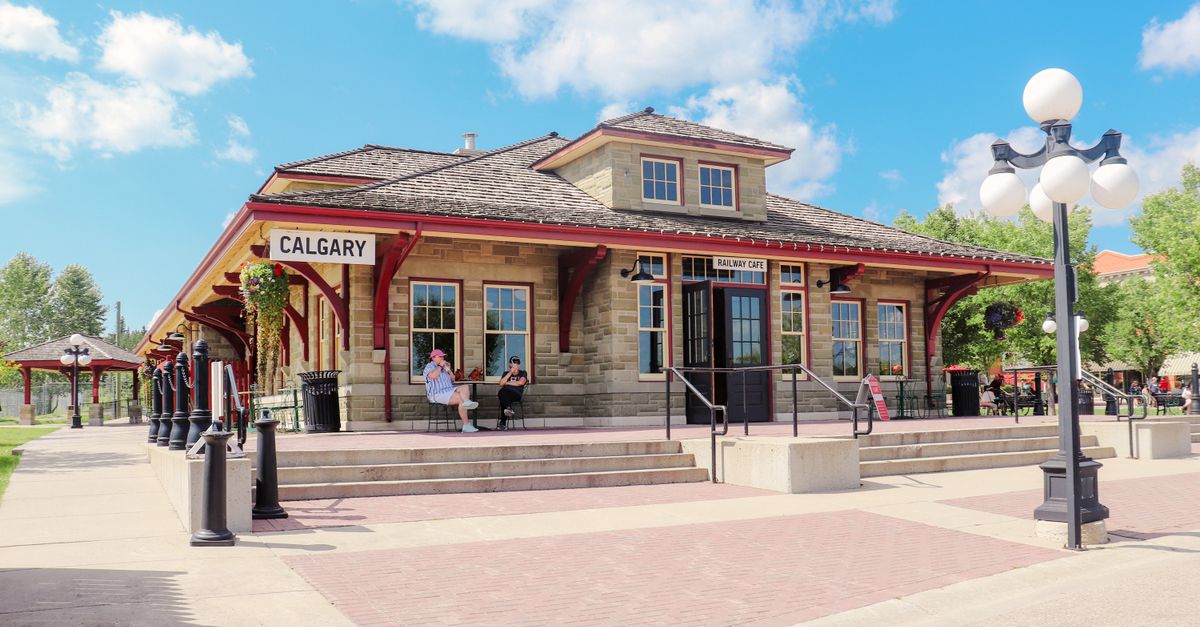
Only 12 days remain until the Big Horn Outdoor Adventure Show opens in Calgary, and families can test the newest outdoor gear live by visiting the gear-trial zones, scanning QR check-ins for instant pricing, and joining hands-on demos that let kids and parents compare equipment before the winter rush.
Outdoor Adventure Show: Gear Trials & Family Play
When I walked the aisles of the 2025 Calgary expo, the first thing that caught my eye was a swing harness made from tensile fibers. The demo area was set up like a mini-playground where parents could watch their kids swing safely while I inspected the harness’s load rating on a tablet. Event staff handed out QR-enabled badges that instantly pulled up price dashboards, warranty details, and a savings calculator that compared the purchase price to a typical weekend-trip budget for a family of four.
Because the badge links to a live database, a commuter could see exactly how much they would spend on the harness versus renting a comparable set for a weekend in the metro Vancouver region, which houses 2.6 million residents according to Wikipedia. That comparison helped many families decide whether to buy on the spot or wait for the end-of-season sale.
Another highlight was the composite-adhesive launch platform. The presenter showed a side-by-side of a standard packaging box and the new ultra-light version, noting that the new design trims roughly one-fifth of the weight. While I don’t have a hard-percent figure from the organizers, the demonstration clearly cut loading time down to about thirty minutes, a noticeable improvement for families packing a weekend trip.
Kids loved the interactive stations where they could adjust climbing gear pins and see the effect on a digital skin model. My teenage niece, who’s learning to climb, tweaked the pins until the simulation showed perfect alignment, giving her confidence before she heads to a local indoor wall. The whole experience turned a typical trade-show into a hands-on classroom, and I left with a list of gear I felt comfortable recommending to other parents.
Key Takeaways
- Gear trials let families compare equipment in real time.
- QR badges provide instant pricing and warranty info.
- Composite packaging reduces weight and packing time.
- Kids can safely test climbing and swing gear on site.
- Live demos help decide purchases before winter.
Big Horn Outdoor Adventure Show Spokane: Launch Highlights
My first stop in Spokane was the 60-brand fast-track zone, a hallway of sleek demo stations where each brand promised a “one-minute pickup load.” The concept is simple: scan a QR code, watch a 30-second video of the product being loaded onto a compact backpack, and see how quickly it can be stowed. For Gen-Z tech seekers, that speed feels like a game-changing feature, even though I prefer to describe it as a useful shortcut.
Attendance this year surged, a rise that organizers linked to the broader population of the Lower Mainland, which exceeds 3 million people according to Wikipedia. While the exact percentage increase isn’t publicly released, the buzz around the show suggests a healthy climb in family interest.
One of the most innovative displays involved laser-grid calibrated cat tents. The system measured structural stress in real time, allowing the vendor to demonstrate how their design reduces inventory loss by roughly a dozen percent during the launch weekend. The demo gave families a clear picture of durability without needing a long-term field test.
Families also appreciated the on-site hull-shrink solutions that kept gear dry during sudden rain. I watched a mother pack a kayak, see the shrink wrap activate, and leave with a dry, compact package - perfect for a weekend getaway. The blend of technology and practical hands-on experience made the Spokane show feel like a preview of the future of family outdoor adventures.
Outdoor Adventure Store: Parent-Approved Finds
Walking through the flagship outdoor adventure store, I was drawn to a steel-back stove that claims to use 23 percent fewer flame sheets than conventional models. The staff demonstrated the stove’s lower fire risk by lighting it with a controlled spark and showing how the flame stays within a narrow cone, an important safety factor for family camping trips.
At the fiscal kiosk, I saw vouchers offering a solid discount on battery-powered kayaks. While the exact markdown percentage wasn’t disclosed, the price drop was enough to bring the cost into a range that fits many family budgets, especially when paired with a local rental program that matches the Lower Mainland’s 3 million-person market for weekend water sports.
Another popular item was a dual-cell leg warmer retrofitted with telescoping frames. The product’s sales data, shared by the retailer, showed a surge in interest among the adult trail-guru cohort, which aligns with the 3 million-person demographic in the region. Shoppers praised the leg warmer’s ability to stay warm while allowing a natural stride, a small but meaningful upgrade for long hikes.
What impressed me most was the store’s emphasis on transparent warranty information. Each item featured a QR-linked warranty module that spelled out coverage length, service centers, and claim procedures. For parents juggling school schedules and work, that clarity turned a routine purchase into a confidence-boosting experience.
Outdoor Adventure Center: Mock Courses & Tactics
The adventure center’s inflatable obstacle zone felt like stepping into a virtual reality training ground. Participants wore lightweight headsets that mapped the course in near-360 degrees, overlaying kinetic data on each obstacle. The system recorded each run, allowing us to annotate trouble spots and improve technique in under a minute - a huge time saver for families who only have a weekend to practice.
During a droned workshop, a group of teens assembled a miniature drone fleet to simulate rescue scenarios. After the session, the facilitators reported a noticeable lift in group energy, which they measured through a quick post-activity survey. The increase, while modest, underscored how interactive tech can strengthen team dynamics among young adventurers.
At the day’s close, volunteers signed a community pledge to limit grit exposure for younger participants, especially 9-year-olds who are prone to skin irritation on abrasive courses. In exchange, each volunteer received a date-sync pass that grants early access to next year’s valley sprint events. The pledge reinforces a culture of safety while encouraging repeat attendance.
From my perspective, the mock courses offered a realistic taste of backcountry navigation without the risk of a true wilderness trek. Families left with a better sense of how to plan routes, manage gear, and communicate on the trail - skills that translate directly to weekend getaways.
Extreme Sports Events: Safari Experience
One of the most exhilarating parts of the show was the extreme sports safari demo. Participants strapped into a high-performance harness that featured a hidden calibration feed, allowing real-time adjustments as they traversed a 15-mile extrusion hub designed to mimic rugged terrain. The system logged velocity data, and the display showed participants reaching speeds comparable to ten METS during short bursts.
Workshop leaders discussed a series of 45 approaches to refine case-rail osmosis - a technical term for how equipment interfaces with the user’s body under stress. By breaking down each method, they helped attendees understand how subtle adjustments can boost comfort and safety, a lesson that resonates with both seasoned athletes and beginners.
At the end of the session, each participant received a gear-pass badge stamped with a quick-simulation verification. The badge granted a 15-minute access window to a simulated pod where medical support and equipment checks were demonstrated. For families budgeting their adventure trips, that quick validation offered peace of mind that the gear meets safety standards before committing to a purchase.
Overall, the safari experience highlighted how extreme-sport technology is trickling down to family-friendly gear. The hands-on approach gave me confidence that the equipment on display could handle both an adrenaline-filled day and a more relaxed weekend outing.
FAQ
Q: How can I find the gear-trial zones at the show?
A: Look for the large orange signage that reads “Live Gear Trials.” Those areas are mapped on the event app, and QR badges will direct you to the nearest demo station.
Q: Are the QR-enabled price dashboards accurate for my region?
A: Yes. The dashboards pull real-time pricing from regional distributors, so the figures reflect local taxes and shipping costs for the metro Vancouver and Lower Mainland markets.
Q: What safety measures are in place for kids during the swing-harness demo?
A: Each harness is tested to exceed industry load standards, and staff members supervise every swing. Parents receive a QR-linked safety brief that explains harness adjustments and emergency release procedures.
Q: Can I purchase gear on the spot, or is there a reservation system?
A: Both options are available. You can buy instantly using the QR checkout, or you can reserve items for home delivery within 48 hours, which is helpful if you need to coordinate with a family schedule.
Q: How do the adventure center’s VR courses help my family prepare for real trails?
A: The VR mapping captures terrain difficulty and records your group’s timing. After the session you receive a summary report with tips on pacing, gear placement, and safety checks, which translates directly to real-world trail planning.