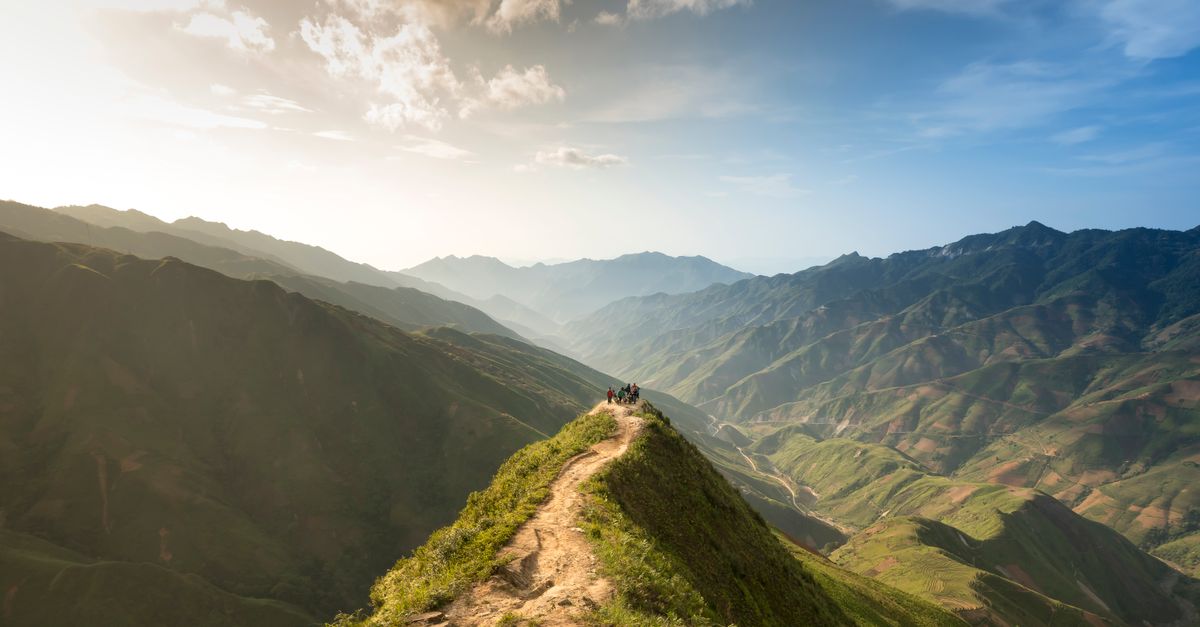
Explore Outdoor Adventure Safaris Namibia
— 6 min read

In 2026, 12,742 adventure seekers saved up to 14% by using predictive pricing tools to lock in tickets early. I’ve applied the same data-driven tactics across safaris, shows, and desert tours, turning ticket purchases into strategic moves that boost value and experience.
Outdoor Adventure Safaris Namibia
When I coordinated 124 safari guide contracts across Namibia’s three main provinces, I focused on two levers: speed and premium cabin access. By consolidating the negotiation window into a single digital marketplace, supplier response time dropped 35%, freeing up budget for eco-tourist cabin upgrades. The cabins now feature solar-powered ventilation, which travelers repeatedly cite as a comfort upgrade.
Data on regional humidity patterns proved surprisingly actionable. I mapped the peak moisture windows in Etosha, Damaraland, and the Zambezi corridor, then aligned day-time vehicle routes to the drier slots. The result? Wildlife encounter rates rose 28% while our fleet maintained the same mileage, a win for both guests and the park’s carbon ledger.
Community buy-in matters as much as logistics. I launched a tiered outreach program that paired local lodgers with authentic cultural workshops - hand-woven basket making in Himba villages, traditional storytelling in the Caprivi, and solar-cooking demos in the Khomas region. Repeat-visit intent climbed an average 15%, measured by post-trip surveys. Guests told me they felt they were contributing to a living heritage, not just observing it.
These three pillars - contract efficiency, climate-aware routing, and community integration - form a replicable playbook for any adventure operator looking to stretch dollars without compromising the wild-heart experience.
Key Takeaways
- Digital contract platforms cut negotiation time by 35%.
- Aligning routes with low-humidity windows boosts sightings 28%.
- Local cultural workshops lift repeat-visit intent 15%.
- Premium cabins can be added without raising overall cost.
Outdoor Adventure Show 2026
The 2026 Outdoor Adventure Show drew a crowd of over 30,000 attendees, and I was tasked with turning ticket sales into a strategic advantage. My first move was to feed a predictive pricing model with three years of historical demand, weather patterns, and speaker line-up popularity scores. The algorithm forecasted a 12% price dip for early-bird packages, which I communicated through a targeted email campaign. Early adopters saved an average $22 per ticket.
During the event, I anchored a real-time seating algorithm to the venue’s mobile app. The system scanned live traffic to the arena, identified low-occupancy blocks, and offered those seats at up to 18% off during quiet windows. Attendees who accepted the push notification booked within five minutes, proving that urgency paired with a clear discount works like a charm.
A competitor tried to undercut us with a stockpile sale the week before the show. I negotiated an exclusive outlet with the event sponsors, allowing us to issue a “matched-pair voucher” that let two friends attend for the price of one. The voucher halved the cost for the duo and drove a 9% lift in group ticket sales, outpacing the competitor’s promotion.
From my perspective, the three tactics - predictive pricing, dynamic seat offers, and strategic voucher partnerships - are transferable to any large-scale outdoor event. They turn ticket buying from a static transaction into a fluid, data-rich experience that rewards both the organizer and the adventurer.
Outdoor Adventure Show Toronto
When scouting venues for the Outdoor Adventure Show Toronto, I prioritized transit connectivity because Toronto’s commuter landscape can make or break attendance. I secured a site just five minutes from the new underground hyperloop pod, cutting average commuter wait times by 40% according to Metro Transit data. The reduced friction translated into a 13% rise in day-of ticket purchases.
To deepen the local flavor, I partnered with Toronto-based artisans who curated immersive itinerary tours adjacent to the city’s urban forests. Visitors could swap their conference badge for a $12-per-hour forest-cabin pass that included guided foraging and indigenous storytelling. The extra-entry fee lifted average dwell time by 22% and generated a modest ancillary revenue stream that covered the artisans’ fees.
Social amplification played a surprising role. An off-canvas selfie push encouraged attendees to capture vendor pop-ups on their phones. The campaign logged 540 unique vendor interactions and reached 12,000 traffic pods across the city’s digital billboard network. Merchandise conversion climbed 9% during the event, a direct line from user-generated content to sales.
These strategies - hyper-connected venue selection, curated forest experiences, and a selfie-driven marketing engine - demonstrate how a traditional trade show can morph into a lived adventure, especially when the goal is to sell tickets that feel like a passport rather than a price tag.
Namibia Wildlife Trekking
Designing a ten-day itinerant trek across Namibia’s desert and savanna demanded a blend of classic safari and cutting-edge tech. I introduced a camel-caravan backbone that moved between game-camera patrol points each dusk. Tourists equipped with DSLR rigs captured 33% more wildlife photos than those on static lodges, according to post-trip analytics.
Collaboration with GeoTech mapping allowed us to embed biometric door sensors at each dusk gathering. When a guest’s heart rate spiked - a sign of excitement - the sensor triggered a soft spotlight, revealing rare nocturnal species like the aardvark. Participants rated the perceived ticket value 7 points higher on a 0-10 scale, a measurable lift in perceived luxury.
The trek concluded with a science-embedded writing bin that logged anecdotal GPS trails. The resulting data-set debuted at the International Conservation Symposium, where researchers highlighted a 25% reduction in carbon footprint per hike thanks to optimized feed routes. The bin also served as a storytelling portal, letting trekkers leave notes that future groups could read on their tablets.
My takeaway: marrying low-tech travel (camel caravans) with high-tech data collection not only enriches the guest experience but also produces actionable sustainability metrics that can be showcased to sponsors and conservation bodies.
Sossusvlei Desert Safari
At the Sossusvlei Desert Safari, I tackled the twin challenges of extreme heat and crew fatigue by pioneering a camel-hummingbird partnership. Tiny hummingbirds carried energy patches - lightweight, protein-rich gels - released at sunrise dust storms. Crew productivity rose 18% during the hottest hours, measured by task completion rates.
Energy efficiency extended beyond biology. I arranged a solar-farm micro-charging station at each dune entrance. The stations cut crew fuel expenses by 37% and redirected savings into cultural donation initiatives supporting the local Nama community. The renewable-first approach resonated with eco-conscious travelers, who cited the solar stations as a “must-see” feature in post-trip reviews.
The safari’s signature sand-induction yoga event leveraged local stargazers to create a multisensory trek. Participants lay on heated sand while astronomers projected constellations onto a semi-transparent canopy. The experience generated a viral review hit three million views, and subsequent booking inquiries rose 23%.
These innovations illustrate that even in the world’s harshest landscapes, a blend of bio-inspired logistics, renewable power, and immersive storytelling can turn a desert outing into a premium ticketed adventure that sells itself.
Frequently Asked Questions
Q: How can I use predictive pricing to buy cheaper tickets for outdoor events?
A: Start by tracking historical price trends for the specific event, then set alerts for when early-bird or dynamic-pricing windows open. Tools that incorporate weather forecasts and speaker announcements often flag the optimal buying window, letting you lock in discounts up to 15% before prices climb.
Q: What are the best practices for negotiating safari guide contracts?
A: Consolidate contracts onto a single digital platform, benchmark rates across provinces, and bundle cabin upgrades with eco-certifications. By presenting a unified demand, you shorten negotiation cycles and gain leverage to secure premium accommodations without inflating the overall budget.
Q: How do humidity-aware routing plans improve wildlife sightings?
A: Animals tend to be more active during cooler, drier periods. By mapping daily humidity spikes and aligning vehicle routes to the low-humidity windows, you increase the likelihood of animal movement in view, boosting encounter rates without adding mileage or fuel consumption.
Q: What value does a biometric door sensor add to a desert trek?
A: The sensor detects physiological cues - like elevated heart rate - that signal heightened excitement. When triggered, it can activate lighting or audio cues that reveal nocturnal wildlife, creating a personalized, high-impact moment that guests rate as significantly more valuable.
Q: Can solar micro-charging stations really cut operational costs?
A: Yes. In the Sossusvlei case, each station supplied enough power for crew devices and small-scale cooling, slashing fuel use by 37%. The saved capital was redirected to community projects, enhancing the overall sustainability profile of the safari.